What is BIM? The foundation of interdisciplinary collaboration and the digital twin
BIM is more than 3D modeling. It unites architectural, mechanical, and electrical disciplines on one platform, resolving clashes at the design stage—not on-site.
BIM is not just three-dimensional modeling. It is a data-driven and coordinated design approach that brings architectural, mechanical, and electrical engineering together on a single platform.
Although BIM (Building Information Modeling) is often perceived merely as a 3D drafting tool, its true power lies much deeper. Enabling architectural, mechanical, and electrical disciplines to work concurrently on the same model, BIM ensures full coordination at every stage of the design process.
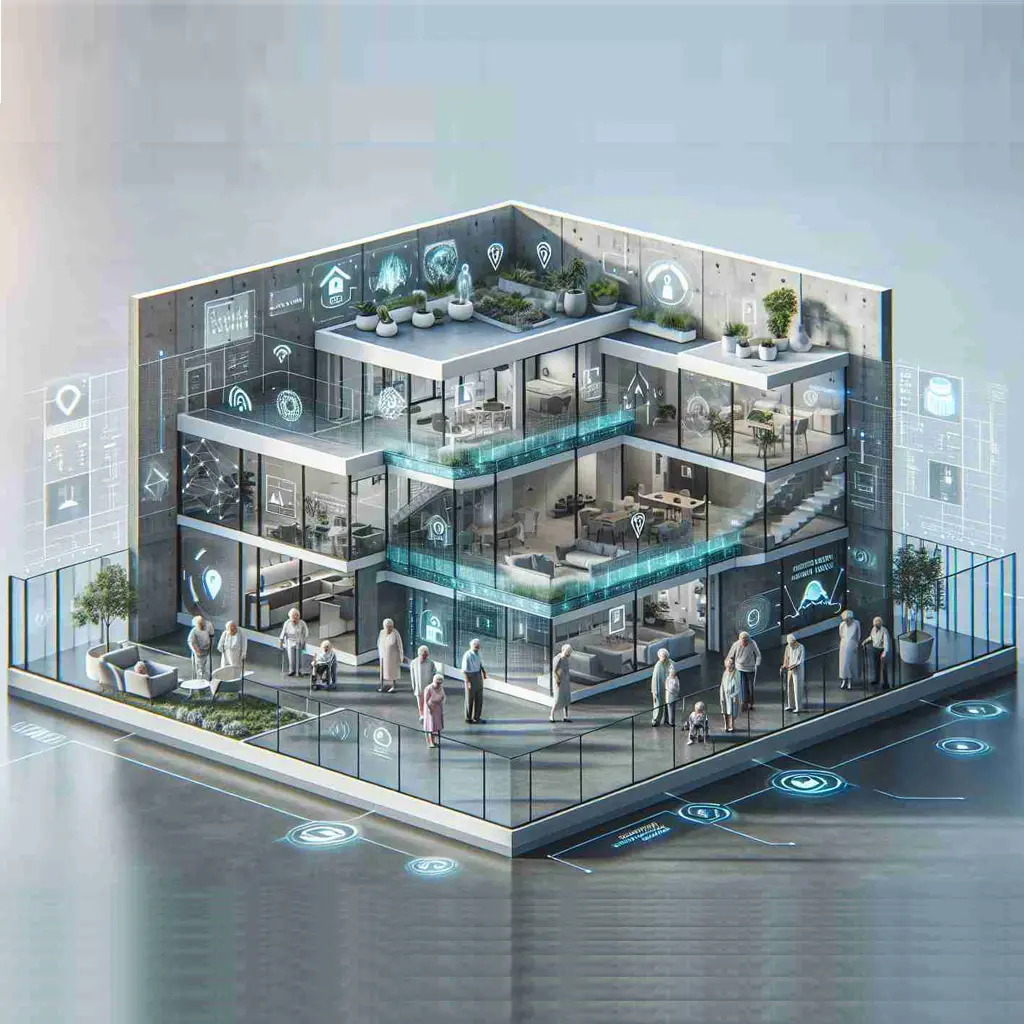
The resulting model goes far beyond mere geometric dimensions: weight, electrical capacity, installation details, and many other technical parameters come together in a single digital environment. This makes it possible to detect potential clashes prior to construction and resolve them during the design phase.
For example, when an electrical engineer adds a busbar trunking system route in Revit, the mechanical engineer can immediately see any potential clash with the air duct. This issue, which would be far more costly if discovered on-site, is resolved right at the design stage.
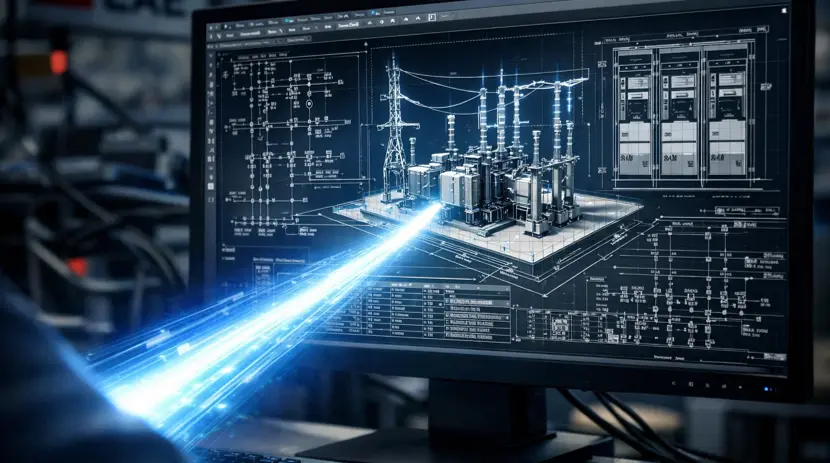
Since all of this data is collected within a single model, a solid foundation is laid for the digital twin to be created in the future. BIM is not merely a design tool; it is an information infrastructure that spans the entire lifecycle of an asset.
You can watch our video "What is BIM (Building Information Modeling)? | Learn with EAE" below.